Sustainable Beauty Tools: A Material Claims Checklist for Buyers
A practical checklist for evaluating recycled, plant-derived and lower-impact material claims before sourcing a beauty tool collection.
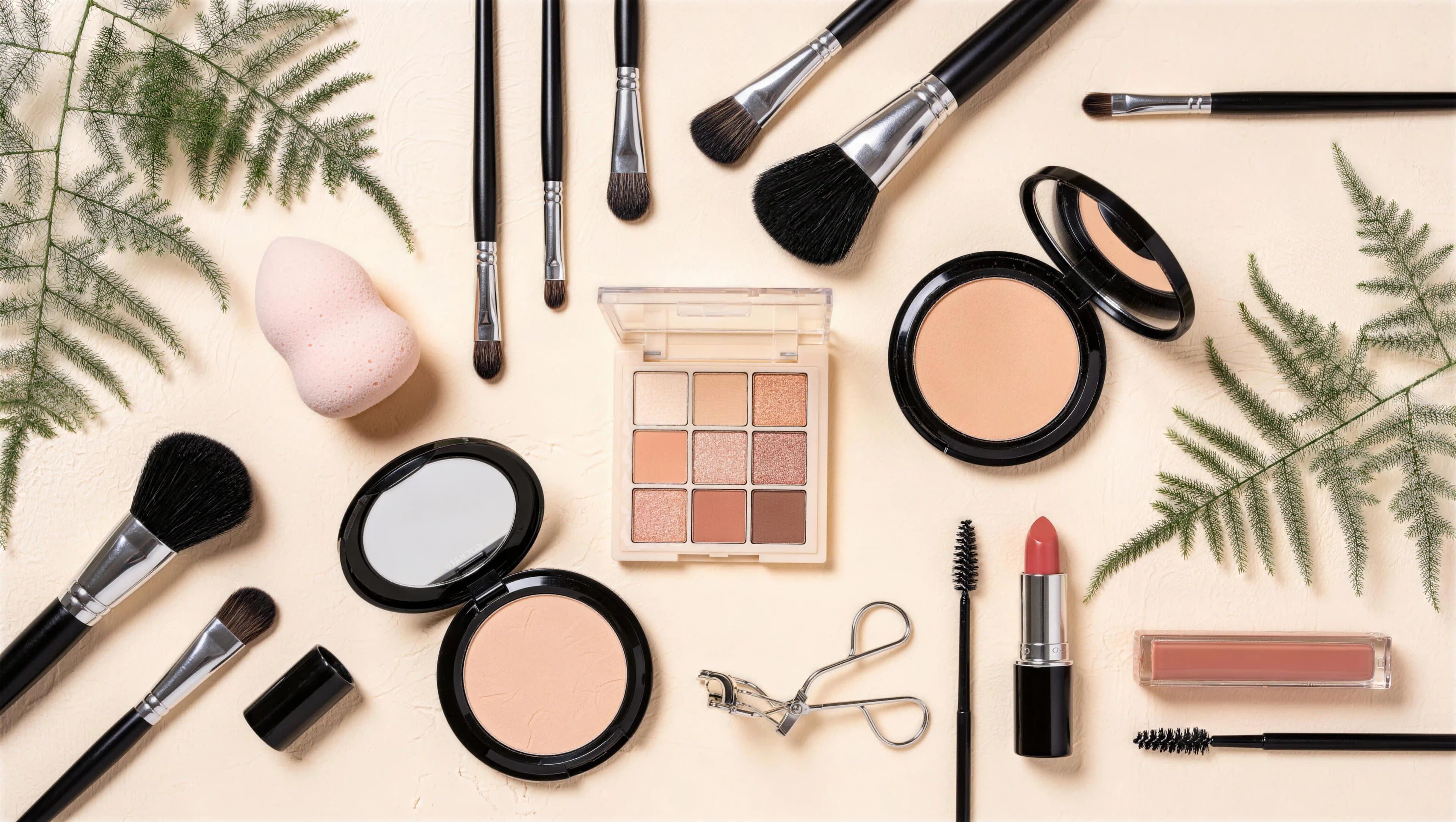
How Buyers Can Evaluate Sustainable Beauty Tool Claims
Sustainability language can help a buyer communicate material choices, but broad terms such as “eco-friendly,” “recyclable,” “plant-based” and “PCR” do not describe the same thing. A useful sourcing process connects each claim to a defined component, percentage, evidence source, manufacturing scope and target market.
This guide does not assume that every BlendCraft product uses a recycled or plant-derived material. Those options and their evidence must be reviewed for the specific beauty tool project.
1. Define Which Component the Claim Covers
A makeup brush can include fiber, ferrule, handle, adhesive, coating and packaging. A mirror or curler can include a frame, glass, pad, coating and secondary components. State whether a claim applies to the entire product, one component or only the package. Avoid allowing one verified component to imply that the whole product has the same attribute.
2. Ask for Material Identity and Chain-of-Custody Evidence
- Recycled content: identify the polymer or metal, the recycled-content basis and the document that supports the percentage.
- Plant-derived content: identify the feedstock, the part of the formulation it replaces and the applicable test or supplier declaration.
- Recyclability: review the complete construction, component separation, local collection systems and labeling rules.
- Responsible packaging: confirm paper, coating, ink, plastic window and certification scope separately.
Certificates and laboratory reports should match the named material, supplier, product scope and validity period. If a document does not cover the exact component, treat the claim as unconfirmed.
For example, BLC-02 is a wheat-straw scalp massager with silicone massage bristles and a wheat-straw body and handle. Keep the component materials separate in the specification and request evidence for any environmental wording proposed for the retail pack.
3. Compare Performance Using the Same Test Plan
A lower-impact material is still part of a functional product. Compare appearance, color, odor, surface finish, dimensional stability, cleaning, assembly and intended-use performance against an approved reference. Do not state that recycled or plant-derived options are equal to virgin material unless the comparison method and result support it.
4. Include Packaging and End-of-Life in the Brief
Reducing packaging weight, removing unnecessary mixed materials or improving pack efficiency may be more measurable than an unsupported product claim. Ask the supplier to show the pack structure and identify which parts can be separated. Market-facing disposal instructions should reflect the actual regions where the product will be sold.
5. Approve Claims Before Artwork
Create a claim register with the exact wording, product or component, evidence owner, report, market and reviewer. Approve it before printing packaging. This prevents artwork from carrying a broad claim that the final production specification cannot support.
For an OEM or private label project, review BlendCraft's specification and approval workflow. When references and evidence requirements are ready, discuss the material brief.
Frequently Asked Questions
Does BlendCraft claim that all products use PCR or plant-derived materials?
No. Material options and evidence are confirmed for each product and project.
Can a logo and custom packaging be added?
Branding and packaging can be reviewed with the selected product, surface, artwork and material requirements.
Continue reading
Related Guides
Makeup Brush Quality Control Checklist for Private Label Brands
A specification-led inspection guide for private label teams reviewing makeup brush samples, components, assembly, branding, packaging and shipment readiness.
Synthetic vs Natural Makeup Brush Bristles: A Buyer’s Guide
A practical buyer’s guide to synthetic and natural makeup brush bristles, including material differences, formula compatibility, sample testing and claim review.