Makeup Brush Bristle Comparison
Synthetic vs Natural Makeup Brush Bristles: A Buyer’s Guide
A practical buyer’s guide to synthetic and natural makeup brush bristles, including material differences, formula compatibility, sample testing and claim review.
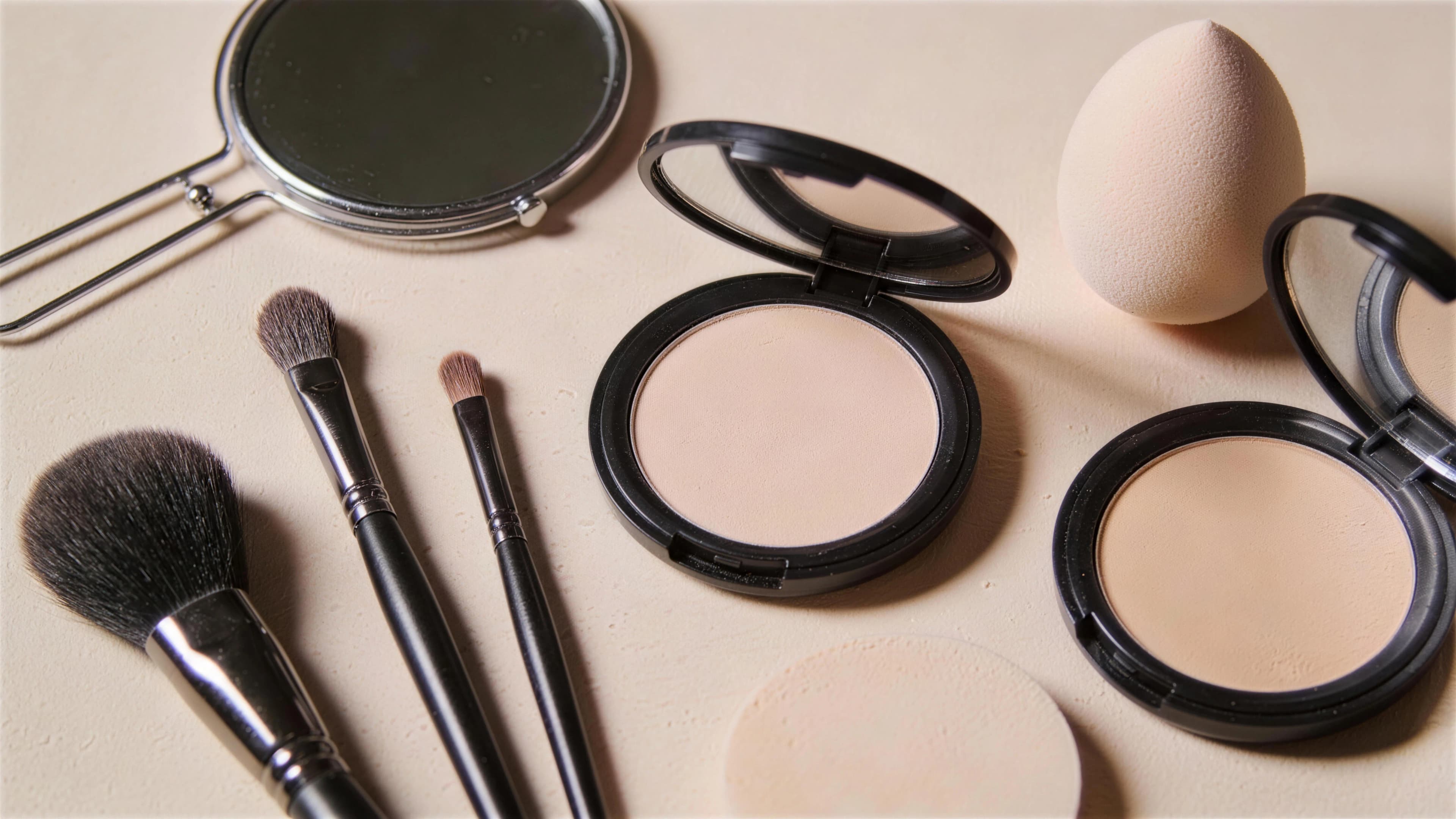
Synthetic vs Natural Makeup Brush Bristles: What Buyers Should Compare
Synthetic and natural makeup brush bristles can create different application experiences, but neither category is automatically better for every product.
The final result depends on more than whether the bristles are synthetic or animal-derived. Fiber diameter, taper, surface, wave, bundle density, tip treatment, brush shape and the cosmetic formula all influence how a brush feels, picks up product and releases it onto the skin.
For beauty brands and sourcing teams, the useful question is therefore not simply “Synthetic or natural?” The better question is: “Which bristle specification works best for this brush, this formula and this product position?”
This guide compares synthetic and natural makeup brush bristles from a buyer’s perspective and explains what should be checked before a material or sample is approved.
This guide focuses specifically on makeup brush bristles. Ferrules, handles and complete brush construction are separate specification topics and should be evaluated alongside the bristle choice during product development, but they are not the focus of this article.
What Are Synthetic Makeup Brush Bristles?
Synthetic makeup brush bristles are engineered polymer filaments designed for cosmetic brush applications.
Depending on the supplier and specification, cosmetic brush fibers may use polyester-family materials such as PBT or PTT, polyamide materials such as nylon, or other purpose-developed synthetic filaments.
The polymer name alone does not determine how the finished brush will feel or perform.
Manufacturers can adjust filament diameter, taper length, straight or waved structure, color, tip treatment, surface characteristics and blends of different filament types. These variables can change softness, spring, movement, product pickup, release and application control.
Commercial descriptions such as Taklon, bionic fiber, faux mink, micro-crystal fiber or next-generation synthetic should therefore be treated as commercial or descriptive terminology rather than complete technical specifications.
A buyer should ask what the actual fiber is and which measurable characteristics create the proposed result.
Common Synthetic-Fiber Variables to Confirm
When reviewing a synthetic bristle proposal, confirm:
- Material identity: What polymer or fiber family is actually being used?
- Filament diameter: Does the bundle use one diameter, or a mixture of finer and firmer fibers?
- Taper: How gradually does the filament narrow toward the tip?
- Straight or waved structure: Is the fiber straight, waved or blended, and how does this affect volume and movement?
- Tip treatment: How are the ends finished, and how do they feel against the skin?
- Color and processing: Are there dyes, coatings or treatments that need to be included in the approved material specification?
These details are more useful for product development than a marketing name by itself.
What Are Natural Makeup Brush Bristles?
Natural makeup brush bristles are animal-derived hairs selected and processed for brush use.
Depending on the product, suppliers may offer different species, grades, lengths and blends. Natural hair is therefore not one uniform material category.
A buyer should not assume that one natural-hair sample represents all natural makeup brushes.
The natural surface structure, diameter variation and taper of animal hair can create application characteristics that some brands prefer for powder products or soft diffusion.
However, feel and performance still vary according to hair type, grade, processing, length, bundle density, brush shape and finishing.
For a natural-hair project, the specification should identify the hair type and any relevant sourcing, processing and labeling requirements.
Brands should also decide whether an animal-derived material is consistent with their product positioning and internal policies before artwork or marketing claims are approved.
Synthetic vs Natural Bristles: Practical Buyer Comparison
The following table should be treated as a sourcing framework rather than a universal performance ranking.
A physical sample tested with the intended formula remains more useful than a category-level assumption.
| Comparison Point | Synthetic Bristles | Natural Bristles |
|---|---|---|
| Material origin | Engineered polymer filament | Animal-derived hair |
| Specification control | Diameter, taper and structure can be engineered to an agreed specification | Natural variation remains part of the material and grading process |
| Liquid & cream use | Often practical because many synthetic filaments absorb less product into the fiber itself | Performance depends on the selected hair and formula |
| Powder use | Can be engineered through diameter, taper, wave and bundle design | Traditionally selected for soft pickup and diffusion |
| Cleaning & recovery | Should be tested for shape recovery, feel, shedding and color after washing | The same criteria should be checked while accounting for the selected natural hair |
| Animal-derived material | Bristles can be specified without animal hair | Yes |
| Buyer approval | Approve the exact fiber specification and control sample | Approve the exact hair type, grade, processing requirements and control sample |
This comparison intentionally avoids claims such as “synthetic is always more hygienic” or “natural hair always performs better with powder” because those statements are too broad to be useful for a real product specification.
Match the Bristle to the Formula and Brush Function
Traditional rules such as “synthetic for liquid” and “natural for powder” can still be useful as a starting point.
But they are too broad for final product approval.
Modern synthetic fibers can be produced in many diameters, tapers and structures, while natural hair grades also vary considerably.
The brush function and cosmetic formula should therefore be defined first.
Liquid and Cream Formulas
For products such as liquid foundation, cream foundation, concealer, cream blush and liquid contour, buyers often evaluate synthetic bristles because many engineered filaments are relatively smooth and do not take up product in the same way as natural protein hair.
That does not mean every synthetic brush will perform well with liquid products.
The result still depends on brush-head shape, density, filament mix, taper, formula viscosity and desired coverage.
A dense foundation brush and a flexible complexion brush may both use synthetic bristles while producing very different application results.
Powder Formulas
Natural hair has traditionally been associated with powder pickup and diffusion.
However, it should not be treated as the only suitable option.
Fine, tapered or waved synthetic fibers can also be developed for loose powder, pressed powder, blush, bronzer, highlighter and powder eyeshadow.
When comparing samples, review how much product is picked up, how quickly product releases, whether coverage builds evenly, fallout, edge softness and blending behavior.
The result should be judged with the intended powder rather than from hand feel alone.
Multi-Use Brushes
A brush intended for both powder and cream should be tested with both formula categories.
Do not approve a “multi-use” claim only because the brush feels soft.
A useful sample comparison records application performance separately for each intended formula.
Fiber Design Can Matter More Than the Category Label
When two synthetic samples feel different, the explanation may not be “good synthetic vs bad synthetic.”
The difference may come from filament diameter, taper, tip finishing, wave, blend ratio, bundle density or brush profile.
Very fine filaments can create a softer surface feel.
A mixture of different diameters can change spring and control.
A longer taper can affect how the tip moves across the skin.
Straight and waved fibers may behave differently even inside a similar brush shape.
These are specification variables. They should be discussed using physical samples, material information and measurable references rather than relying only on commercial fiber names.
The same principle applies to natural hair.
The species name alone does not tell a buyer the final grade, processing, length mix, tip condition or bundle construction.
For both synthetic and natural options, the approved sample should remain the practical product reference.
How to Test Synthetic and Natural Makeup Brush Bristles
A useful comparison requires the same formula, application area and test sequence.
If one sample is evaluated with loose powder while another is tested with liquid foundation, the result does not isolate the bristle difference.
Use a Repeatable Sample Evaluation
A simple buyer-side comparison can include the following steps.
- Confirm the sample identity. Record the proposed bristle material, fiber or hair description, brush format and sample version.
- Use the intended formula. Test the actual powder, cream or liquid category planned for the product.
- Compare pickup. Observe how readily each brush collects product under the same loading method.
- Compare release and finish. Review coverage, diffusion, streaking, fallout and control using the same application method.
- Assess skin feel. Record softness, drag, spring, sharp or uneven tips and overall comfort.
- Inspect the dry brush. Check visual uniformity, loose bristles, tip condition and head shape.
- Wash using one method. Use the same cleanser, water conditions, handling and drying position for every sample being compared.
- Recheck after drying. Review shape recovery, feel, shedding, odor and visible changes.
- Retain the approved reference. Keep the final control sample, written bristle specification and related material reference for later production comparison.
For the wider inspection process, use our makeup brush quality control checklist to connect the approved bristle sample with later component, branding, assembly and packaging checks.
Separate Material Facts From Marketing Claims
Material identity and marketing claims are not the same thing.
Synthetic bristles can be specified without animal hair. That fact alone does not automatically substantiate every vegan, cruelty-free, hypoallergenic, antimicrobial, plant-based or sustainable claim a brand may want to use.
- Vegan: A synthetic bristle material can be specified without animal hair. However, a finished-product vegan claim should follow the brand’s defined standard and review the complete relevant bill of materials and supporting evidence.
- Cruelty-free: This generally relates to testing practices and should not simply be treated as another name for synthetic bristles.
- Plant-derived or bio-based: If a supplier describes a fiber as plant-derived, bio-based or corn fiber, confirm the actual polymer, which portion is plant-derived, supporting documentation and what claim can legitimately be made before artwork is approved.
- Antimicrobial or antibacterial: Do not infer antimicrobial performance from the word “synthetic.” If this claim matters, identify the treated material, technology, test method, result and intended claim wording for the specific project.
- Hypoallergenic or sensitive-skin claims: These should not be assumed from bristle material alone. Appropriate evidence and market-specific claim review should be completed before the statement is used.
Natural-hair projects require the same discipline.
A broad phrase such as “premium natural hair” should not replace a defined material specification.
How to Choose Bristles for a Makeup Brush Range
For a new brush range, start with the function of each brush rather than forcing one bristle material across every SKU.
A dense foundation brush, soft powder brush and precision eye brush may require different combinations of softness, spring, pickup, release, density and control.
A practical decision process is:
- Define the cosmetic formula.
- Define the intended application.
- Set the desired skin feel.
- Set the desired level of control.
- Choose one or more bristle directions to sample.
- Ask for the material and construction behind each proposal.
- Test every option using the same method.
- Review the evidence required for any marketing claims.
- Freeze the approved bristle specification.
- Retain the approved control sample before production.
You can explore makeup brush formats while deciding which face, eye or set directions need separate bristle specifications.
For broader assortment planning, see our guide to planning a private label makeup brush line.
Frequently Asked Questions
Are synthetic makeup brush bristles better than natural hair?
Not universally. Synthetic and natural bristles can each work well depending on the exact material, brush construction, cosmetic formula and intended application. A buyer should compare physical samples using the same test method rather than selecting a material solely from the category name.
What are synthetic makeup brush bristles made from?
Common cosmetic-brush synthetic materials can include polyester-family fibers such as PBT or PTT and polyamide fibers such as nylon. Suppliers may also use commercial names for engineered fibers, so buyers should request the actual material identity and specification rather than relying only on the marketing name.
Are synthetic makeup brush bristles vegan?
Synthetic bristles can be specified without animal hair. However, a finished-product vegan claim should follow the brand’s own standard and review the complete relevant product construction and supporting information. “Cruelty-free” is a separate claim and should not be inferred only from bristle material.
Which bristles are better for powder makeup?
Natural hair has traditionally been used for powder pickup and diffusion, while modern synthetic fibers can also be engineered for powder applications. The appropriate choice for a particular product should be determined by testing the intended powder formula with the proposed brush samples.
Which bristles are better for liquid foundation?
Synthetic bristles are commonly evaluated for liquid and cream products because many engineered filaments do not interact with product in the same way as natural hair. However, density, brush shape, fiber taper and the foundation formula still affect the result. The final decision should be based on the actual sample.
How should a buyer approve makeup brush bristles?
A buyer should record the proposed bristle specification, test the sample with the intended formula, evaluate application and skin feel, wash and recheck the sample, review any material or performance claims, and retain the approved control sample. The approved bristle specification and control sample should then support later production inspection.
Comparing Bristle Options for a Brush Project?
Share the brush formats, intended formulas, reference feel, target market and estimated quantity so the bristle direction and sample requirements can be reviewed against one project brief.
Continue reading
Related Guides
Makeup Brush Quality Control Checklist for Private Label Brands
A specification-led inspection guide for private label teams reviewing makeup brush samples, components, assembly, branding, packaging and shipment readiness.
Custom Makeup Brush MOQ: Per Style, Color and Set Explained
Learn how to read makeup brush minimum order quantities, calculate style and color combinations, and compare product and packaging requirements before ordering.
Makeup Brush Types & Uses for Building a Product Range
A practical guide to face, eye and detail makeup brush types, what each brush is used for, and how brands can compare roles when planning a product range.
How to Launch Your Private Label Makeup Brush Line
A practical guide to planning a private label makeup brush line, from assortment and specifications to samples, packaging, quality control and launch readiness.