Private Label Makeup Brush Planning
How to Launch Your Private Label Makeup Brush Line
A practical guide to planning a private label makeup brush line, from assortment and specifications to samples, packaging, quality control and launch readiness.
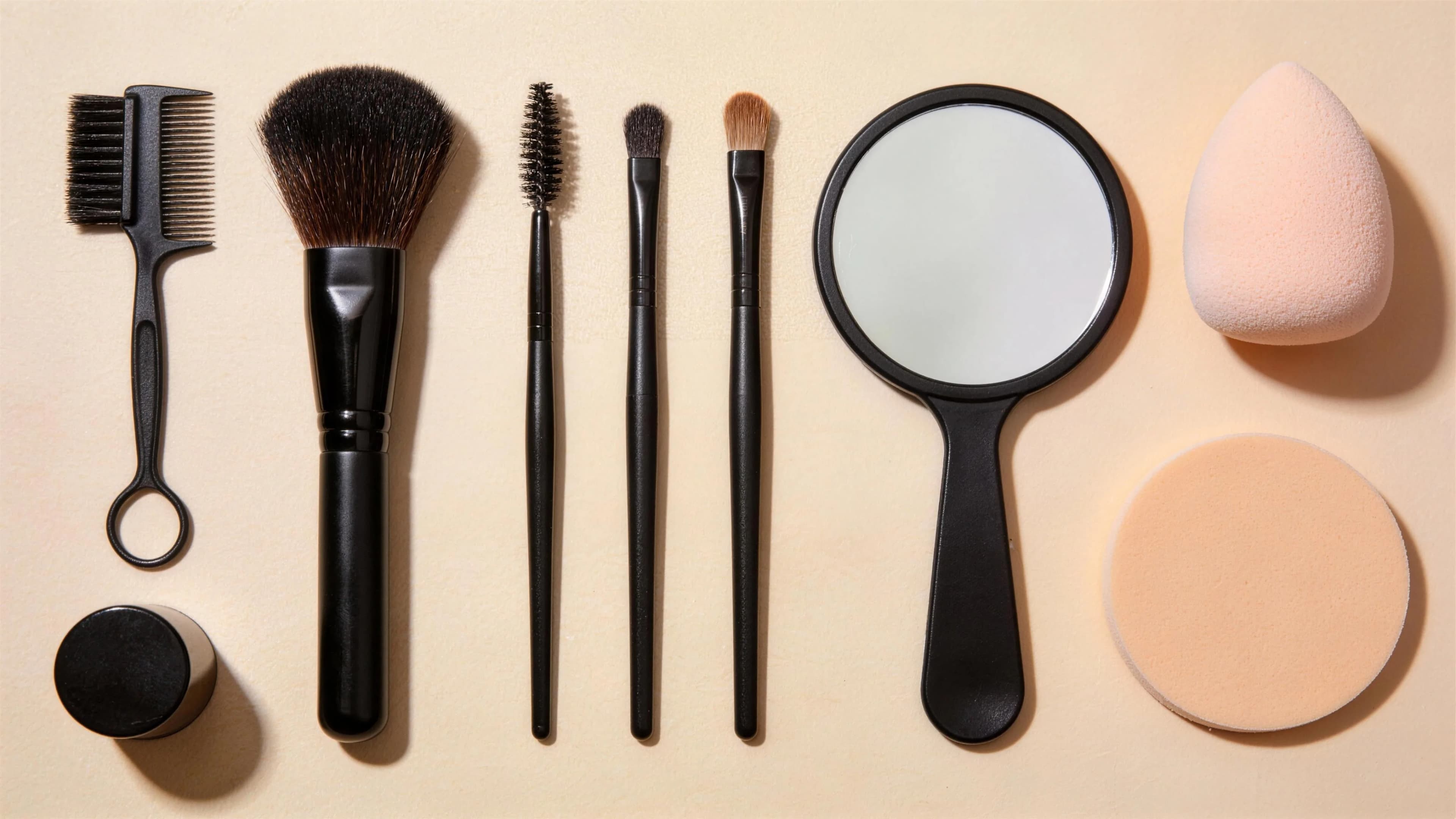
Launching a private label makeup brush line starts well before the first sample is made. A clear product plan helps you decide who the collection is for, which brush formats belong in the initial assortment, what specifications need to be confirmed, how samples will be evaluated, and what should be approved before bulk production.
The goal is not to make every decision at once. It is to create a development brief that becomes more precise as the project moves from concept to samples and final approval.
This guide walks through the main decisions beauty brands and retail teams should prepare when developing a private label makeup brush line.
Define Your Target Customer, Channel and Price Position
Before selecting brush shapes, colors or packaging, define the commercial position of the range.
A brush collection designed for an entry-level retail program will usually have different priorities from a professional-focused range or a smaller premium collection. The intended formulas, selling channel and price position can all influence the assortment, materials, finish and packaging direction.
Start with a few basic decisions.
| Decision | Questions to Define |
|---|---|
| Customer | Is the range intended for beginners, beauty enthusiasts, professional users or a broad mass-market audience? |
| Channel | Will it be sold through ecommerce, retail stores, marketplaces or professional distribution? |
| Price | Is the target position entry-level, mid-range or premium? |
| Formula | Will the brushes mainly be used with liquid, cream, powder or mixed formulas? |
| Range | Will the launch focus on individual brushes, coordinated sets or both? |
These choices do not need to be permanently fixed on day one, but they should be clear enough to guide product development.
For example, a compact retail program may prioritize a smaller number of recognizable brush formats with coordinated packaging. A more specialized collection may justify additional eye brushes, complexion tools or application-specific shapes.
The important point is to define the role of the range before selecting products simply because they look attractive in a catalog.
Plan the First Makeup Brush Assortment
A new collection does not need to include every possible brush shape.
A focused first assortment is usually easier to specify, sample, compare and present consistently. The right number of SKUs depends on the target customer, channel, price position, budget and overall product strategy.
A useful way to plan the range is to divide products by role.
| Range Role | Example Direction |
|---|---|
| Core face | Foundation, powder and blush formats |
| Core eye | Shader, blending and detail brushes |
| Hero product | A distinctive individual brush or coordinated set |
| Extension | Specialty formats added after the core range is established |
Consider whether individual brushes or sets should lead the launch.
Individual brushes can make product functions easier to communicate and allow buyers to build their own combinations. Sets create stronger visual coordination and can simplify the presentation of a complete routine, but they also require more decisions around assortment balance, packaging dimensions and total price position.
Try to avoid adding SKUs only to make the range appear larger. Each product should have a clear function within the collection.
You can explore makeup brush formats when comparing possible face, eye and set directions for the initial assortment.
Avoid Three First-Order Planning Risks
Several avoidable problems can appear early in a makeup brush project.
The first is approving vague specifications. Descriptions such as “soft bristles,” “gold ferrule” or “pink handle” leave too much room for interpretation unless dimensions, materials, finish references, colors and tolerances are also defined.
The second is approving samples from photographs alone. Images are useful for communication, but they cannot fully show bristle feel, density, balance, surface finish, color differences or packaging fit. A written specification and an approved physical reference provide a stronger basis for comparison.
The third is leaving packaging until the end. Brush dimensions, set composition, trays, artwork, retail requirements and carton configuration can all affect packaging development. Starting packaging discussions earlier reduces the chance that it becomes the final bottleneck before launch.
Build a Clear Product Specification
A useful product specification turns subjective preferences into information that can be checked.
Instead of relying only on phrases such as “soft,” “premium” or “light pink,” define as many measurable or reference-based requirements as practical.
A makeup brush specification can include:
- intended brush function
- intended formula type
- brush shape
- overall dimensions
- bristle length and profile
- ferrule dimensions
- handle dimensions
- material requirements
- color references
- surface finish
- logo method and placement
- packaging format
- tolerances where relevant
- approved visual or physical references
The specification does not need to be perfect before the first sample. It should be detailed enough to make the first sample meaningful.
For bristles, for example, “soft synthetic bristles” gives only a general direction. A stronger brief may also clarify the intended formula, brush shape, density, fiber appearance, dimensions and the reference used to judge the result.
The same principle applies to color.
A screen image may help communicate direction, but it should not be treated as an exact production standard. Where color consistency matters, identify the reference system or approved physical sample that will be used during development.
As revisions are made, update the written specification rather than allowing important decisions to remain only inside email threads or chat messages.
That creates a clearer record of what the final approved product is expected to be.
Select Bristles, Ferrules, Handles and Finishes
The main components of a makeup brush affect both product performance and visual identity.
The purpose of this section is not to select one universal “best” construction. The right combination depends on the intended product, price position and design direction.
Bristles
When evaluating bristles, consider more than softness.
- intended liquid, cream or powder use
- softness and resilience
- density
- shape retention
- cut and profile
- visual consistency
- cleaning behavior
- repeatability between samples
For a deeper material comparison, see our guide to comparing synthetic and natural makeup brush bristles.
Ferrules
Ferrules should be specified by more than color.
- dimensions
- shape
- material
- finish
- surface appearance
- attachment to the handle
- compatibility with the bristle bundle
Metallic, matte, gloss and other decorative finishes can create very different visual effects even when the underlying brush shape remains the same.
Handles
Handle decisions can include:
- material
- length and diameter
- overall profile
- weight and balance
- surface coating
- color
- printed or decorated areas
A handle that looks appropriate in a rendering should still be evaluated as a physical sample, particularly when balance and grip are important to the product concept.
Finishes
Finish specifications should separate color from surface effect.
For example, a project may require a particular color together with a matte coating, gloss appearance, metallic effect or other surface treatment.
Those details should be documented clearly so that a color approval is not later mistaken for approval of the entire finish.
Document Material and Product Claims Carefully
Material and marketing claims should match the information and evidence available for the finished product.
Terms such as vegan, recycled, plant-derived, antimicrobial or PFAS-related claims may require different supporting information depending on the exact statement, material and target market.
Avoid turning an early material description into a finished-product claim without checking what can actually be supported.
If a claim will appear on packaging or marketing materials, identify it early enough for the relevant documentation or testing requirements to be reviewed before artwork is finalized.
Plan Branding and Packaging Early
Branding and packaging should develop alongside the product rather than after every brush detail has already been frozen.
For branding, define:
- logo method
- logo size
- placement
- orientation
- color
- whether individual brush names or numbers are required
- how the decoration should appear across the complete range
Logo placement that works on one handle may not work equally well across every brush size, so review the collection as a group.
Packaging decisions can include:
- individual brush packaging
- brush-set packaging
- box, pouch or other presentation formats
- inner trays or product retention
- product protection
- retail or ecommerce requirements
- pack dimensions
- artwork layout
- barcode and labeling areas where applicable
Packaging dimensions should be based on the actual approved product rather than only an early rendering.
For sets, confirm how each brush sits inside the pack and whether the presentation remains consistent after transport and handling.
Starting packaging work once the assortment and key dimensions are sufficiently clear gives the artwork and structural development more time to progress without waiting until bulk production is nearly complete.
Request, Compare and Approve Samples
Sampling is where the written product brief becomes a physical product.
Treat each sample round as a comparison against agreed requirements rather than as a completely new design discussion.
A practical sample process may include:
- receiving the initial sample
- comparing it against the written specification
- recording specific comments
- requesting only necessary revisions
- reviewing the revised sample
- confirming color and finish
- approving logo size and placement
- checking function and construction
- reviewing packaging where applicable
- identifying the final approved reference
Feedback should be specific.
Instead of: Make the handle better.
Use: Increase the handle diameter in the grip area and retain the approved overall length.
Instead of: Make the bristles darker.
Define the visual reference or approved sample that should be matched as closely as practical.
Photographs are useful for highlighting changes, but they should not become the only approval record for details that need to be judged physically.
Where possible, retain an approved product sample together with the final written specification and artwork files.
That approved reference can then support later quality comparison.
Plan MOQ, Budget and Launch Timing
There is no single MOQ that applies to every makeup brush project.
Order requirements can change depending on factors such as:
- use of existing or new components
- custom tooling
- color requirements
- surface finishes
- logo process
- packaging
- set composition
- order quantity
- production setup
A project using existing brush structures with straightforward decoration may have a different starting point from a project requiring new tooling or a fully custom structure.
Instead of treating MOQ only as a number to negotiate downward, consider how the assortment is structured.
Too many colors, packaging variations or low-volume SKUs can make the first order unnecessarily complicated.
A more focused collection may make the project easier to quote, sample and manage.
For quantity units, color allocations and packaging minimums, use the makeup brush MOQ guide to check what each quotation includes.
Timing should also include more than bulk production.
Allow for:
- specification preparation
- initial sampling
- sample revisions
- artwork approval
- packaging development
- production
- inspection
- shipping
Projects requiring several sample rounds or new tooling naturally need more development time.
For a broader planning framework, see our guide to beauty tool lead-time planning.
Build some buffer into the launch plan rather than scheduling the retail or marketing date directly against the earliest possible production completion date.
Define Quality Standards Before Bulk Production
Quality control becomes much clearer when acceptance criteria are defined before the order enters bulk production.
At minimum, confirm the final versions of:
- product specification
- approved product sample
- artwork
- key dimensions
- color and finish references
- logo requirements
- packaging requirements
- functional expectations
For makeup brushes, inspection criteria may also consider areas such as:
- bristle profile and consistency
- visible shedding
- ferrule security
- handle finish
- logo position
- assembly
- appearance
- packaging condition
The purpose is not to create an unrealistic expectation that every handmade or assembled product will be visually identical at a microscopic level.
The purpose is to distinguish acceptable production variation from defects that materially differ from the approved specification.
For more detail, use the makeup brush quality control checklist when defining sample and inspection criteria.
Before production release, also confirm who is responsible for final inspection and which approved references will be available for comparison.
Private Label Makeup Brush Launch Checklist
Use this checklist before moving from product development toward bulk production.
| Stage | Confirm Before Moving Forward |
|---|---|
| Positioning | Target customer, channel and price position are defined |
| Assortment | Each brush has a clear role in the initial range |
| Specification | Dimensions, materials, colors and key tolerances are recorded |
| Components | Bristles, ferrules, handles and finishes are confirmed |
| Branding | Logo method, size, artwork and placement are approved |
| Packaging | Pack format, dimensions and artwork direction are confirmed |
| Samples | Final product samples have been reviewed physically |
| Commercial | Quantity, quotation and payment terms are confirmed |
| Timing | Sampling, production, inspection and shipping are planned |
| Quality | Acceptance criteria and approved references are available |
| Release | Final specification, artwork and sample approvals are frozen |
A clear launch process does not eliminate every revision, but it makes revisions easier to identify and control.
The strongest project file is usually not the one with the most documents. It is the one where the final specification, artwork, sample and quality expectations all describe the same product.
FAQ
How many brushes should a new private label line start with?
There is no universal number.
The right assortment depends on your target customer, sales channel, price position, budget and product strategy. A focused range with clearly differentiated brush functions is often easier to develop and communicate than a large assortment containing several similar products.
Start by identifying the essential brush roles your target customer is most likely to understand and use. Additional specialty brushes can be added once the core range is clearly defined.
What should I prepare before requesting makeup brush samples?
Prepare as much of the following as possible:
- product or visual references
- intended brush function
- intended formula
- preferred brush shapes
- known material requirements
- approximate dimensions
- color direction
- logo requirements
- packaging direction
- estimated order quantity
- target market
- unresolved decisions that still require development input
You do not need every detail finalized before requesting a sample, but the clearer the brief, the more useful the first sample can be.
When should packaging development begin?
Packaging development can begin once the assortment and key product dimensions are sufficiently clear.
It should not be left until the end of bulk production.
Starting earlier gives more time to resolve structural dimensions, artwork, product retention, barcode or labeling requirements and retail presentation without putting unnecessary pressure on the final production schedule.
What should be approved before bulk production?
Before bulk production, confirm at least:
- the written product specification
- final product dimensions
- approved materials and finishes
- final artwork
- logo placement
- approved product sample
- packaging reference
- quality criteria
- quantity and commercial terms
- production and inspection schedule
A final approval should be specific enough that both the buyer and production team are referring to the same version of the product.
Planning a Private Label Makeup Brush Line?
If you already have a target market, brush formats, customization direction, packaging idea and estimated quantity, you can share the project details for an initial review.
You can also review the OEM and private label process before preparing your project brief.
Continue reading
Related Guides
Custom Makeup Brush MOQ: Per Style, Color and Set Explained
Learn how to read makeup brush minimum order quantities, calculate style and color combinations, and compare product and packaging requirements before ordering.
Makeup Brush Types & Uses for Building a Product Range
A practical guide to face, eye and detail makeup brush types, what each brush is used for, and how brands can compare roles when planning a product range.
Makeup Brush Quality Control Checklist for Private Label Brands
A specification-led inspection guide for private label teams reviewing makeup brush samples, components, assembly, branding, packaging and shipment readiness.
Sourcing Premium Hairbrushes: A Practical B2B Guide
A practical guide to comparing hairbrush types, materials, samples, quality checks, and customization options for a wholesale or private label project.