Sourcing & Quality Control
Eyelash Curler Quality Control: A Practical Sourcing Guide
For brands and retail buyers comparing mechanical eyelash curlers: learn what to check in a sample, how to record defects, and which specifications to agree before production.
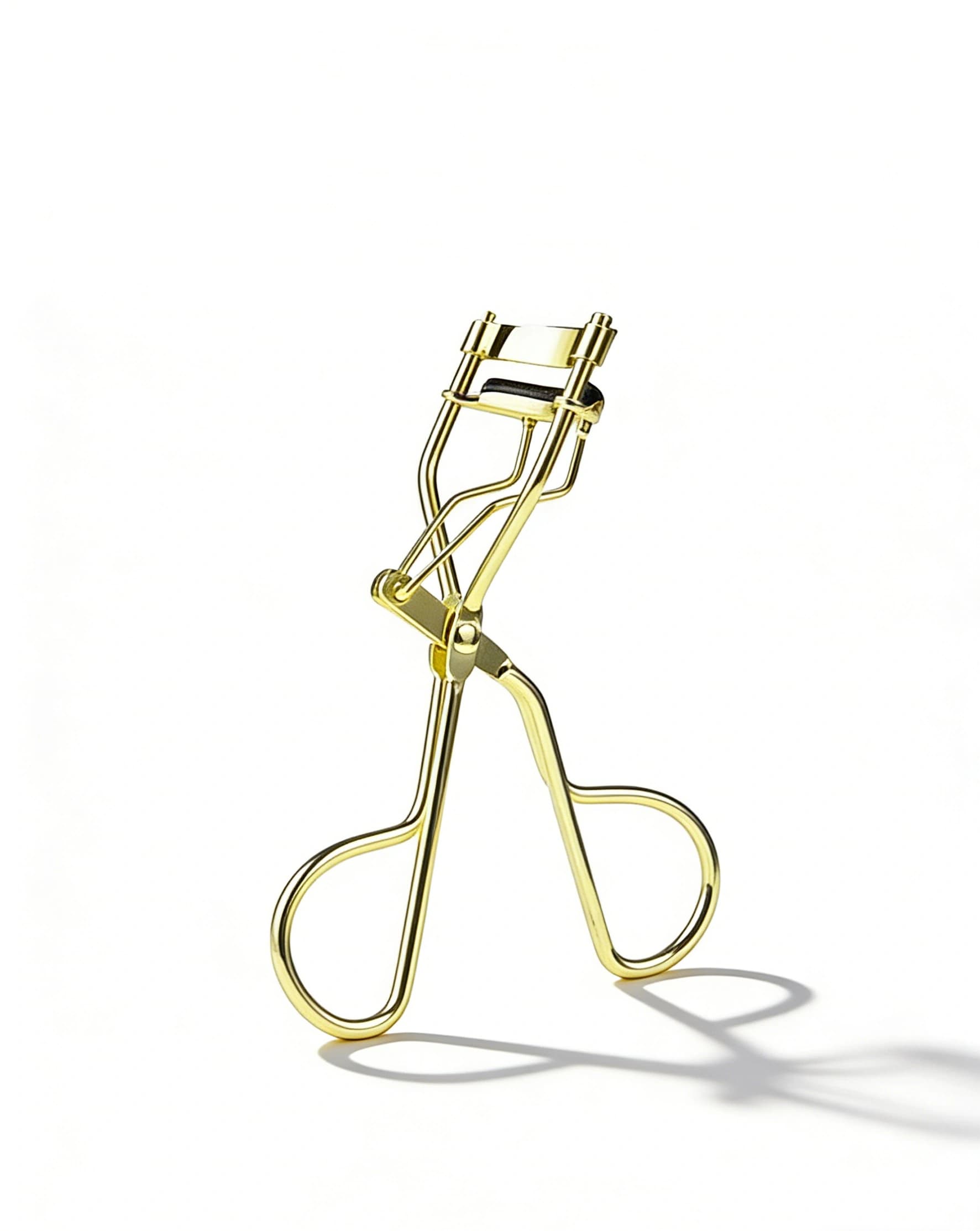
An attractive finish does not tell you whether an eyelash curler is ready for a private label order. Two samples can look similar in a photograph while differing in working width, pad fit, hinge movement or the way the upper bar meets the pad.
This guide turns those differences into a buyer's review process. It covers non-heated mechanical curlers, from classic frame designs to compact and partial formats. Heated tools need a separate evaluation and are outside this guide.
What Makes an Eyelash Curler Worth Approving?
Start with four questions: does the format suit the intended range, does the working frame match the chosen reference, does the pad fit and remain seated, and can the important details be recorded for later orders?
Give each sample one of three outcomes: approved, pending specific changes, or not approved. A sample with unresolved alignment, pad seating or movement concerns should remain pending even when its color and packaging look right.
Approval should identify the actual sample and specification revision. “Same as the photo” leaves too much open to interpretation, especially when a later sample uses a different pad or working profile.
Compare Classic, Compact and Partial Curlers
Choose the product role before comparing finishes or asking for a quotation. A compact tool intended for a travel collection should not be judged only by how closely it resembles a classic finger-loop design.
| Format | Typical range role | Review emphasis |
|---|---|---|
| Classic full-width frame | Main eyelash curler in an eye-tool assortment | Working profile, upper-bar alignment, pad seating and handle movement |
| Compact push-style curler | Portable or travel-oriented range | Operating mechanism, housing condition, working access and pad retention |
| Partial or narrow curler | Targeted section of lashes or a complementary tool | Narrow contact area, positioning and local frame-to-pad alignment |
Compare the available eyelash curler formats before deciding which samples to request. The classic metal eyelash curler, compact portable eyelash curler and partial eyelash curler provide three different structures to review.
These examples explain format differences; they do not establish that one design fits every user. A product positioning claim about eye shape or handling needs evidence for that particular design.
Check Working Width, Curvature and Alignment
Separate working width from overall size
The overall width of a curler can include supports or housing that do not form part of the lash-contact area. Ask the supplier to identify the working width on a drawing or marked photograph so both parties measure the same feature.
Record the measurement points, unit and method with the value. A number without a feature definition is difficult to compare across samples. For a partial curler, the working area is deliberately narrower; that is a format difference rather than automatically a quality defect.
Compare the working profile from the same viewpoint
Use an agreed reference drawing or retain a physical reference. Photograph comparison samples from the same orientation and distance, with the working area clearly visible. Perspective can make two similar curves look different, so photographs support comparison but should not be treated as precision measurements.
Where the profile matters, define it through the drawing or an agreed measurement method. A supplier's angle description, a curve radius and a visual label such as “deep curve” are not interchangeable specifications. There is no single curvature value that this guide can recommend for every product.
Observe how the upper bar meets the pad
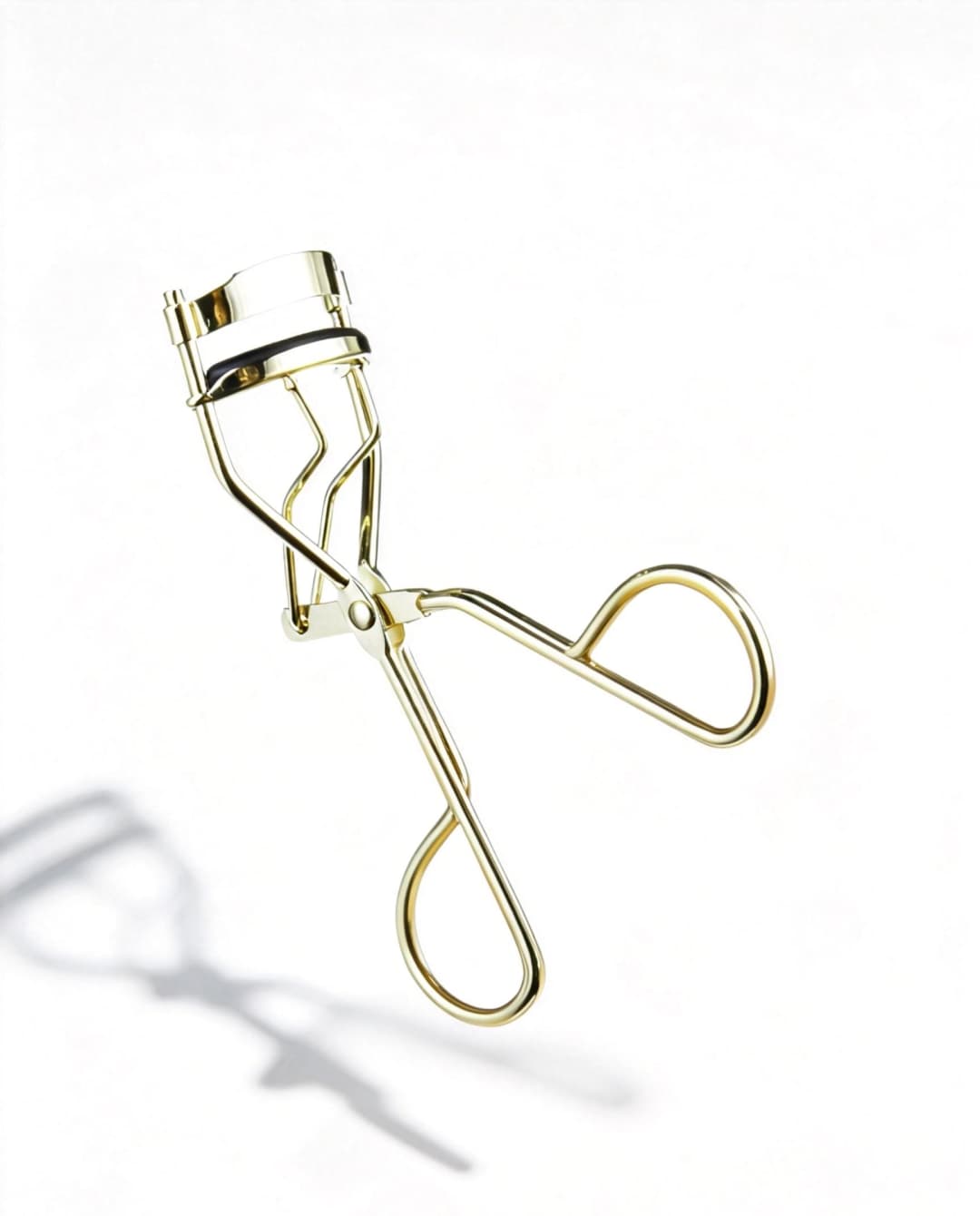
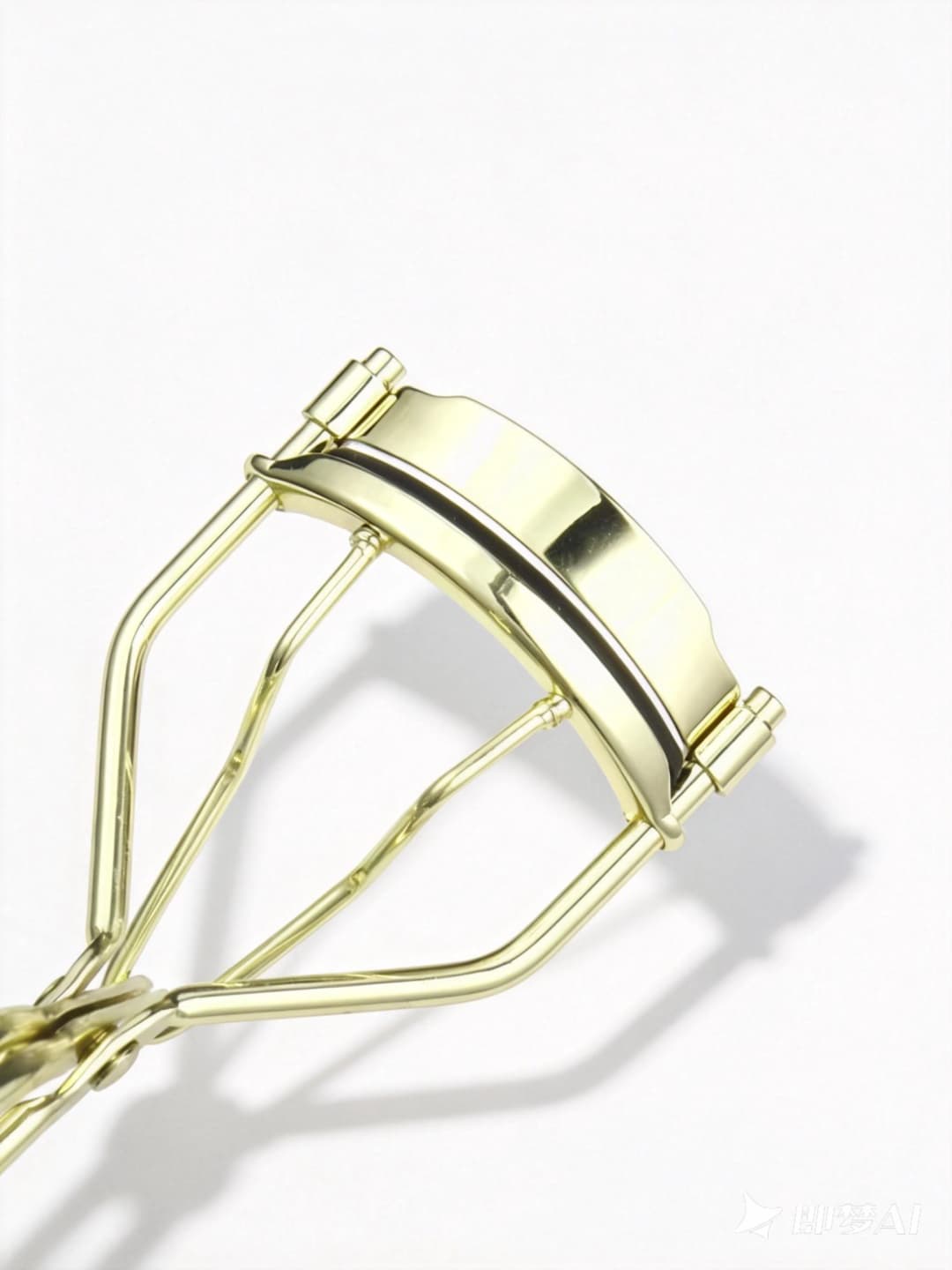
With the sample away from the eye, open and close it slowly using its intended mechanism. Observe the left, center and right portions of the working area. Look for visible lateral offset, contact beginning unevenly, or the pad moving out of its seat.
Record what you observe instead of simply writing “alignment poor.” For example: “The pad shifts toward the right support during closure.” Add a photograph or short video and the sample ID. The supplier can then investigate the frame, holder and pad together.
This is a preliminary sample check. It does not establish user fit, product safety or long-term durability; those questions require their own agreed evaluation.
Evaluate Pad Fit and Replacement Compatibility
The pad belongs in the product specification because its dimensions, profile and seating affect the working assembly. A change in pad construction can alter a sample even when the metal frame stays the same.
“Rubber” is not a complete material specification. Silicone is itself an elastomer, and an unspecified rubber label does not tell you the exact compound. Ask for the confirmed material description of the supplied component rather than assuming all eyelash curler pads are silicone.
| Pad detail | What to record | Why the record helps |
|---|---|---|
| Material identity | Supplier-confirmed material description and component reference | Prevents a material name being inferred from color or feel |
| Dimensions and profile | Drawing or agreed measurements of the same features | Makes later pad comparisons meaningful |
| Seating | Position in the holder and approved orientation | Helps identify twisting, rocking or displacement |
| Compression behavior | Agreed observation or test method with its reference | Avoids an undefined “soft enough” requirement |
| Replacement configuration | Pad reference, compatibility and quantity per retail pack | Keeps the spare component connected to the approved curler |
Review replacement pads in the actual holder. Appearance alone cannot establish compatibility. Check seating and closure again after fitting the spare, and record any difference from the original component.
Do not transfer another brand's replacement schedule or material claims to your product. If care or replacement instructions are part of the retail pack, confirm them for the final approved configuration.
For a product-specific reference, Tweezerman’s tool-care FAQ cautions that other-brand replacement pads may affect the performance of its curlers. This reinforces the need to verify compatibility for the selected assembly; replacement instructions should remain specific to the approved product.
Evaluate Samples in a Consistent Sequence
1. Identify the sample
Record the model, supplier sample reference, date received, revision, finish, pad and packaging configuration. Keep the quotation or brief revision with the record. This matters when several samples share the same color but represent different component choices.
2. Review appearance before operation
Under suitable lighting, inspect visible edges, joints, coating, pad condition and housing where applicable. Photograph concerns without testing a suspect edge on skin. Keep appearance observations separate from movement observations so the correction request remains specific.
3. Review normal movement and seating
Operate the sample away from the eye. Note opening, closing, sticking, unexpected lateral movement and whether components remain in place. Compare samples using the same method.
If durability testing is needed, agree on the fixture, load or stroke, cycle count, sample quantity and endpoint before testing. Opening a sample several times is a preliminary check, not evidence for a lifetime claim.
4. Check the retail configuration
Confirm the logo, accessory count, instructions and pack layout against the brief. Check whether the product is restrained as intended and whether a pad or accessory can be lost during normal unpacking. Pack-out should not force the working frame into an unintended position.
5. Record the decision and remaining actions
For each issue, record the observed condition, affected sample, supporting image and requested response. Keep unresolved changes visible in the approval record. An approved finish does not mean an unreviewed mechanism or substitute pad has also been approved.
If components change after approval, identify the change and review the affected checks before treating the revised sample as equivalent.
Recognize Defects Before Approving a Sample
The following table gives review examples, not defect-frequency data or proven causes. Each observation needs investigation on the actual sample.
| Observed condition | What to investigate | Evidence and next action |
|---|---|---|
| One area of the upper bar meets the pad earlier than another | Working-frame alignment, holder position and pad profile | Record closure from a consistent view; request review before approval |
| Pad twists, rocks or leaves its seat | Pad dimensions, orientation and holder fit | Record the seated and displaced positions; review the matched assembly |
| Movement sticks or changes between operations | Hinge, lever or housing interference | Record a short sequence and sample ID; request investigation and a revised sample |
| Working frame moves visibly sideways | Joint play, frame positioning or assembly condition | Compare against the reference with the agreed method; define the permitted condition before inspection |
| Visible burr, exposed sharp edge or loose component | Edge finishing and assembly integrity | Set the sample aside and escalate the concern; do not proceed to use evaluation |
| Coating flakes or the surface has visible corrosion | Surface preparation, finish condition or handling history | Photograph the area; investigate the actual condition and any required finish test |
| Spare pad seats differently from the fitted pad | Component substitution or compatibility | Identify both pad references and recheck fit on the same curler |
| Retail pack contains the wrong accessory count or restrains the tool incorrectly | Pack specification and assembly method | Compare pack-out with the approved layout and revise the packing instruction |
The useful output is a correction that can be checked: which feature must change, which reference applies and what evidence will close the issue. “Improve quality” is too broad to verify.
Build an Eyelash Curler Inspection Checklist
Sample approval selects and defines a product. Production inspection checks a batch against that definition. A single approved sample does not show whether all units in a shipment conform.
For each inspection item, agree on the method, record and acceptance basis. Some checks are comparisons with a physical reference; others need drawings, measurements or a separately defined test.
| Inspection item | Suggested review method | Record and acceptance basis |
|---|---|---|
| Model and configuration | Compare model, components and pack contents | Approved specification revision |
| Working geometry | Compare identified features with the drawing or reference | Defined dimensions/profile and agreed limits |
| Frame-to-pad alignment | Observe closure using the agreed orientation and procedure | Approved reference and documented permitted condition |
| Normal movement | Operate with the agreed stroke and method | Agreed movement reference; record deviations |
| Pad and spare fit | Check component identity, seating and replacement fit | Approved pad reference and pack quantity |
| Edges and assembly | Inspect visible working edges, joints and retained components | Agreed defect definitions and escalation rules |
| Finish and branding | Compare appearance, logo position and artwork | Approved finish reference and artwork revision |
| Retail packaging | Check restraint, accessories, labels and pack condition | Approved pack-out specification |
Define the lot, sampling approach and defect classification with the buyer's quality requirements before inspection. Include what happens when a safety-related concern or a repeated functional issue is found. A visual table does not replace a sampling plan or a product-specific test protocol.
Do not use “100% checked” as a substitute for explaining which checks were performed. Likewise, a supplier's management-system document does not establish the performance of this curler configuration. Request records connected to the product, component, revision and evaluation being discussed.
Separate Branding Changes from Structural Development
An existing curler with a new logo and retail pack is a different project from changing the working profile or operating mechanism.
| Requested change | Questions to resolve before approval |
|---|---|
| Logo or pack artwork | Is the method feasible at the selected location, and is the sample appearance approved? |
| Finish or color | Is the requested process available, and what finish reference and checks apply? |
| Spare-pad quantity or pack layout | Does the spare match the approved holder, and does the new layout retain all components correctly? |
| Pad material, profile or fit | Which functional checks must be repeated on the changed assembly? |
| Working width, curvature or mechanism | Can an existing structure meet the brief, or is development or tooling required? |
Do not assume a geometry change is available without development, or that every branding change is available on every material. Resolve feasibility with the exact model and order plan.
For the broader project sequence, review the OEM and private label development process. Keep this guide focused on the decisions and evidence needed to select and approve the curler itself.
Compare Quotations Using the Same Specification
Send the same brief to each supplier. A curler-only quotation cannot be compared directly with a quotation that includes spare pads, a printed box and a defined inspection scope.
| Quotation field | Confirm in each offer |
|---|---|
| Product | Model, structure and specification revision |
| Pad system | Supplied pad reference and spare-pad quantity |
| Finish and logo | Process, artwork scope and approved location |
| Packaging | Retail pack, inserts, labels and carton configuration |
| Quantity | Order quantity, MOQ and quantity basis for each version |
| Development | Sampling, artwork, tooling or other one-time charges, where applicable |
| Schedule | Sample timing, production timing and the event that starts each period |
| Quality scope | Inspection and testing included, with any separately charged work |
| Commercial basis | Currency, quotation validity, delivery term and named place |
Confirm whether a minimum applies to the model, finish, logo version or packaging version. Ask which unresolved specifications prevent a firm quote. The goal is to expose differences before treating the cheapest figure as the best offer.
Copy This Eyelash Curler Sourcing Brief
Use the fields below for an initial inquiry. Where a decision is not yet made, write “supplier proposal requested” rather than supplying a guessed specification.
| Field | Buyer input |
|---|---|
| Intended range | Brand/retail channel, product role and target market |
| Curler format | Classic, compact, partial or reference product |
| Reference | Model, photographs, drawing or physical sample |
| Working profile | Width/curve reference, measurement method or proposal requested |
| Material and finish | Confirmed requirement or supplier proposal requested |
| Pad system | Material description, reference, fit requirements and spare quantity |
| Branding | Artwork, position and preferred method if known |
| Packaging | Pack format, accessories, instructions and artwork status |
| Quantity | Initial order and quantity by version |
| Schedule | Required sample review and shipment milestones |
| Quality review | Sample checks, production inspection and any required tests |
| Quotation basis | Currency, delivery term and named place |
Keep the approved sample ID, drawing revision, artwork revision and change history with this brief as the project develops. That record is also useful for repeat orders: it shows whether the new request matches the last approved configuration.
Frequently Asked Questions
What is the difference between sample approval and production QC?
Sample approval defines the product direction and records unresolved changes. Production QC checks a batch against that approved specification using an agreed inspection and sampling plan. Approval of one sample does not establish batch consistency.
Is a silicone pad automatically better than another pad material?
Material identity alone is not a complete quality comparison. Evaluate the confirmed compound, profile, fit and behavior in the actual assembly. Do not infer composition or finished-product claims from the pad's appearance.
Are eyelash curler replacement pads universal?
Do not assume they are. Check the replacement reference, dimensions, profile and seating in the selected curler, then review closure with the spare fitted. A similar-looking pad may belong to a different configuration.
Can buyers approve working curvature from photographs?
Photographs help identify a direction, but camera angle can distort comparison. Use an agreed drawing, defined measurement method or physical reference for approval where the working profile is important.
What should happen if the supplier changes the pad after approval?
Identify the new component and review the checks affected by the change, including fit, seating and closure. Update the specification and approval record before the revised assembly is treated as equivalent.
What should an eyelash curler supplier receive for an initial quote?
Provide the format or reference, target market, quantity, finish, logo, pad and packaging direction, schedule and quotation basis. Flag any unresolved details so the supplier can propose options instead of making silent assumptions.
Prepare Your Eyelash Curler Project
Start by choosing a format and recording the working-frame and pad requirements. Then compare samples, resolve observable issues and keep the approved configuration identifiable for production and repeat orders.
Explore the eyelash curler collection, or discuss your eyelash curler specification with a reference product, quantity, packaging direction and the quality checks that matter to your range.
Continue reading
Related Guides
Custom Makeup Brush MOQ: Per Style, Color and Set Explained
Learn how to read makeup brush minimum order quantities, calculate style and color combinations, and compare product and packaging requirements before ordering.
Makeup Brush Types & Uses for Building a Product Range
A practical guide to face, eye and detail makeup brush types, what each brush is used for, and how brands can compare roles when planning a product range.
Sourcing Premium Hairbrushes: A Practical B2B Guide
A practical guide to comparing hairbrush types, materials, samples, quality checks, and customization options for a wholesale or private label project.
How to Launch Your Private Label Makeup Brush Line
A practical guide to planning a private label makeup brush line, from assortment and specifications to samples, packaging, quality control and launch readiness.