Sourcing Premium Hairbrushes: A Practical B2B Guide
A practical guide to comparing hairbrush types, materials, samples, quality checks, and customization options for a wholesale or private label project.
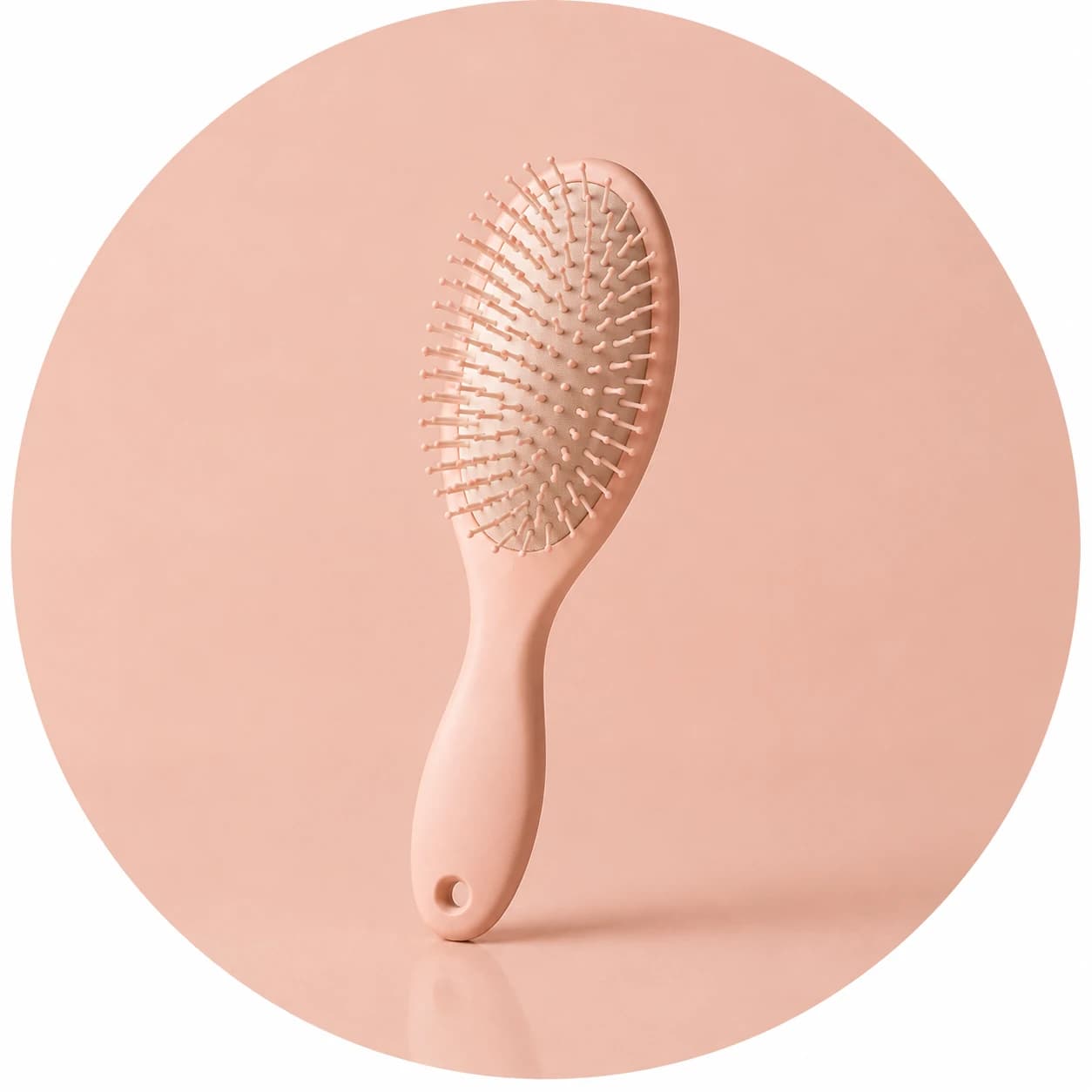
How to Compare Hairbrushes Before You Source
A hairbrush brief should define the target user, hair type, styling task, retail position, packaging format, and target market. These choices affect the brush shape, bristle or pin material, cushion construction, handle, finish, testing plan, and landed cost.
Start by reviewing the hair brush and comb collection, then document which existing formats are close to your project. A clear reference reduces avoidable sampling rounds.
1. Match the Brush Type to the Use Case
- Detangling brushes: Compare pin flexibility, spacing, tip finish, and performance on wet and dry hair.
- Paddle brushes: Check cushion response, pin alignment, handle balance, and coverage on long or dense hair.
- Round brushes: Specify barrel diameter, venting, bristle arrangement, grip, and intended heat-styling use.
- Combs: Define tooth spacing, edge smoothness, flexibility, heat exposure, and professional or consumer use.
- Shampoo brushes and scalp massagers: Compare silicone-tip molding, wet-use grip and component fit. A detachable silicone scalp massager shampoo brush such as BLC-02 is a distinct option for shampooing and manual scalp-care ranges.
2. Verify Materials Instead of Relying on Labels
Terms such as “bamboo,” “carbon,” “natural,” and “eco-friendly” can describe very different constructions. Ask the supplier to identify each material and coating, state whether the claim applies to the whole product or one component, and provide documentation appropriate to the target market.
For animal-derived bristles, confirm species, sourcing documentation, labeling requirements, and whether the product position is compatible with the brand's policies. For synthetic pins or fibers, request the polymer specification and any relevant heat or chemical-resistance test method.
3. Build a Repeatable Sample Checklist
- Compare dimensions, weight, color, logo position, and packaging against the approved specification.
- Inspect pin or bristle alignment, sharp edges, loose components, odor, surface marks, and coating consistency.
- Test grip, balance, detangling behavior, cushion recovery, and cleaning using a documented method.
- Retain a signed control sample and photos so production inspection has a clear reference.
For structure-specific checks and a reusable inspection record, use the hair brush quality control checklist.
4. Separate Product Claims from Supplier Evidence
Claims about safety, durability, heat resistance, hypoallergenic performance, sustainability, or compliance should be tied to a defined material, test method, report, and market. Do not copy a generic certificate or claim onto packaging without confirming that it applies to the exact product and production batch.
5. Request a Comparable Quotation
Ask each supplier to quote the same specification and show tooling, samples, unit cost, packaging, inspection, shipping terms, and estimated schedule separately. Also confirm which changes would affect the minimum order quantity or require a new quotation.
When the brief is ready, send BlendCraft the product references and project requirements for a scoped discussion. MOQ, sample policy, lead time, materials, and compliance documentation should be confirmed for the specific project rather than assumed from a general website statement.
Continue reading
Related Guides
Makeup Sponge Quality Control Checklist for Buyers
A buyer inspection guide to approved samples, dry and wet measurements, color transfer, cleaning, packaging and traceable lot decisions. Includes an editable inspection record.
Hair Brush Quality Control Checklist for Buyers
A practical inspection guide for brands and sourcing teams reviewing pins, bristles, cushions, brush bodies, branding and packaging against an approved sample.
Custom Makeup Brush MOQ: Per Style, Color and Set Explained
Learn how to read makeup brush minimum order quantities, calculate style and color combinations, and compare product and packaging requirements before ordering.
Makeup Brush Types & Uses for Building a Product Range
A practical guide to face, eye and detail makeup brush types, what each brush is used for, and how brands can compare roles when planning a product range.